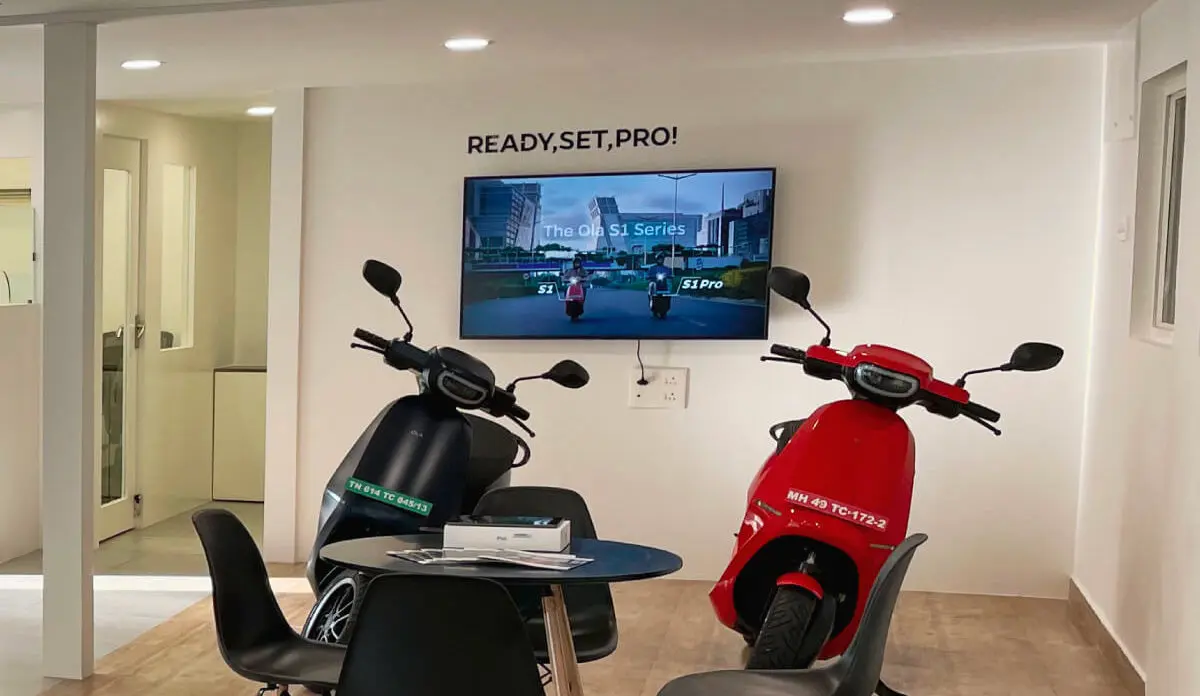
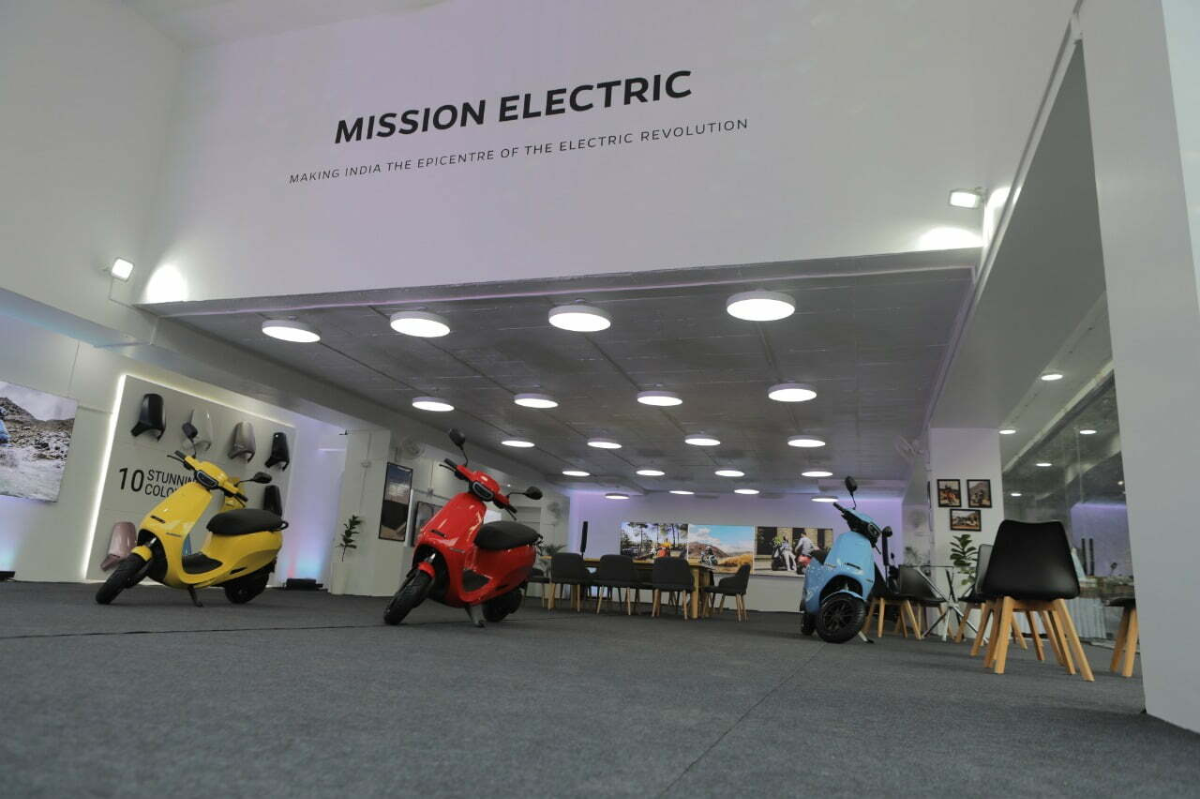
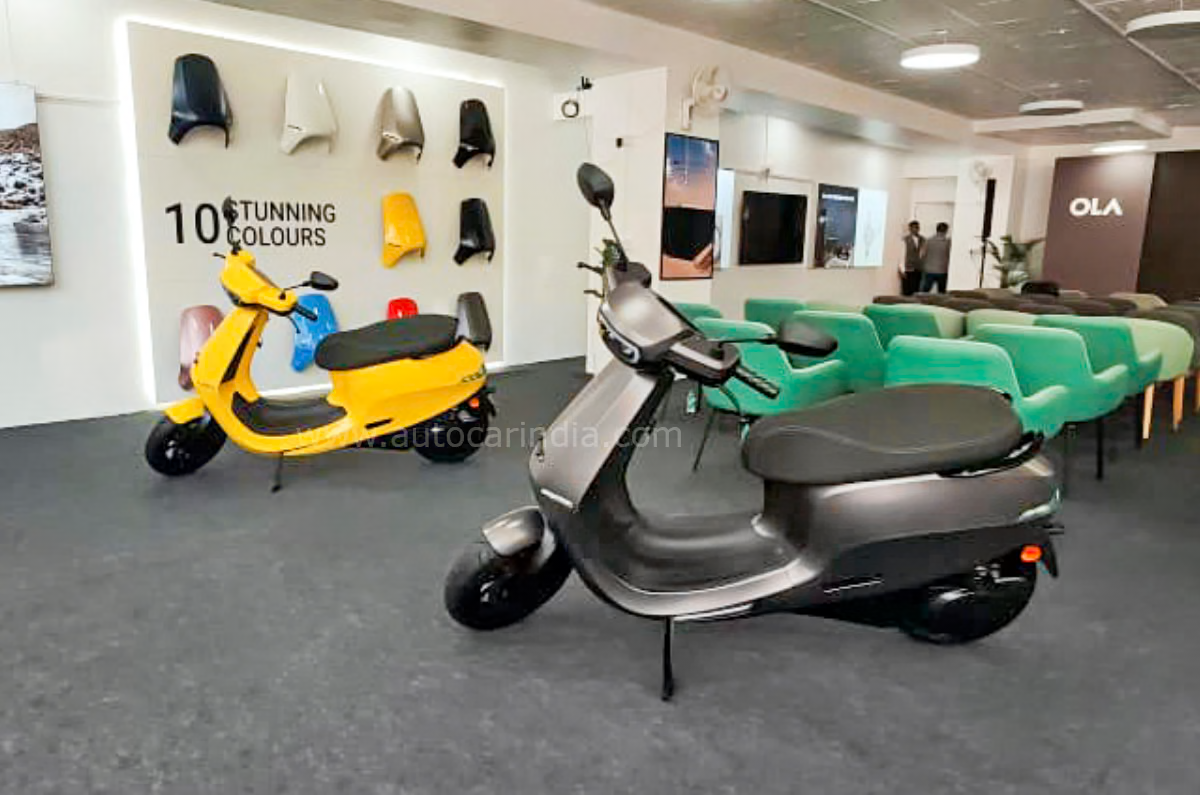
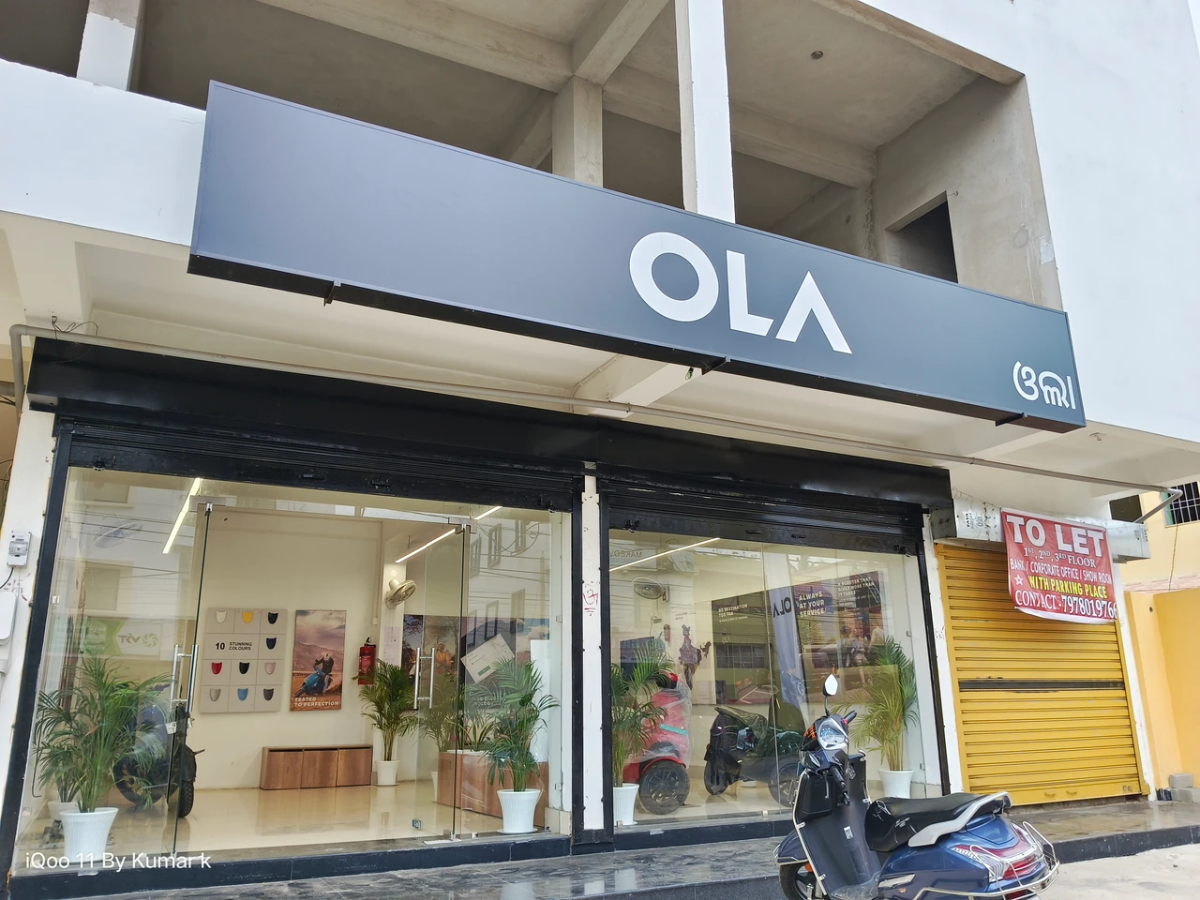
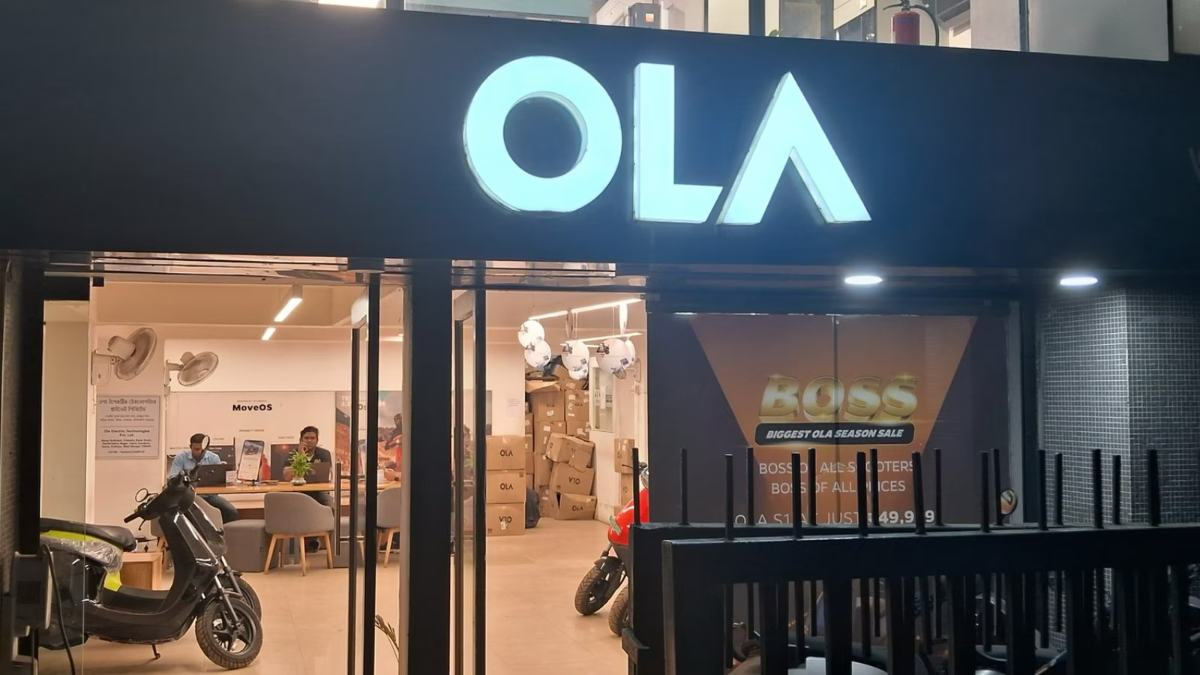
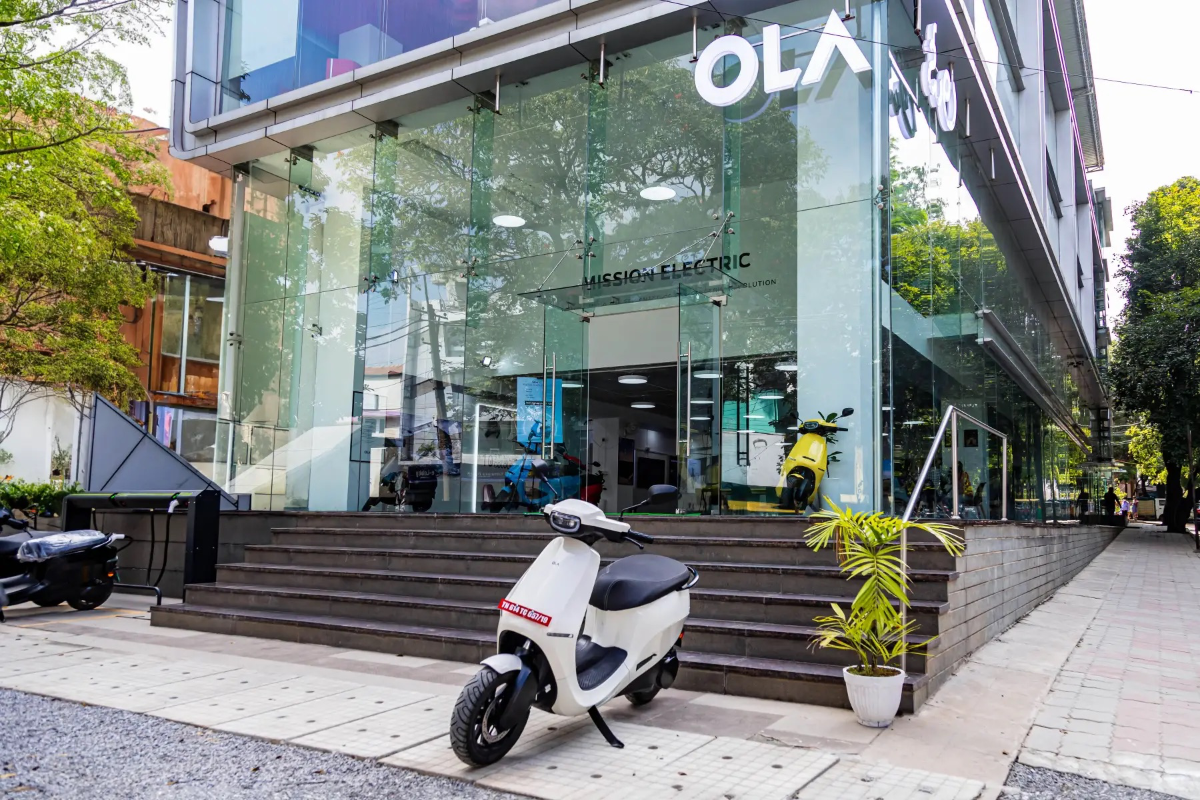
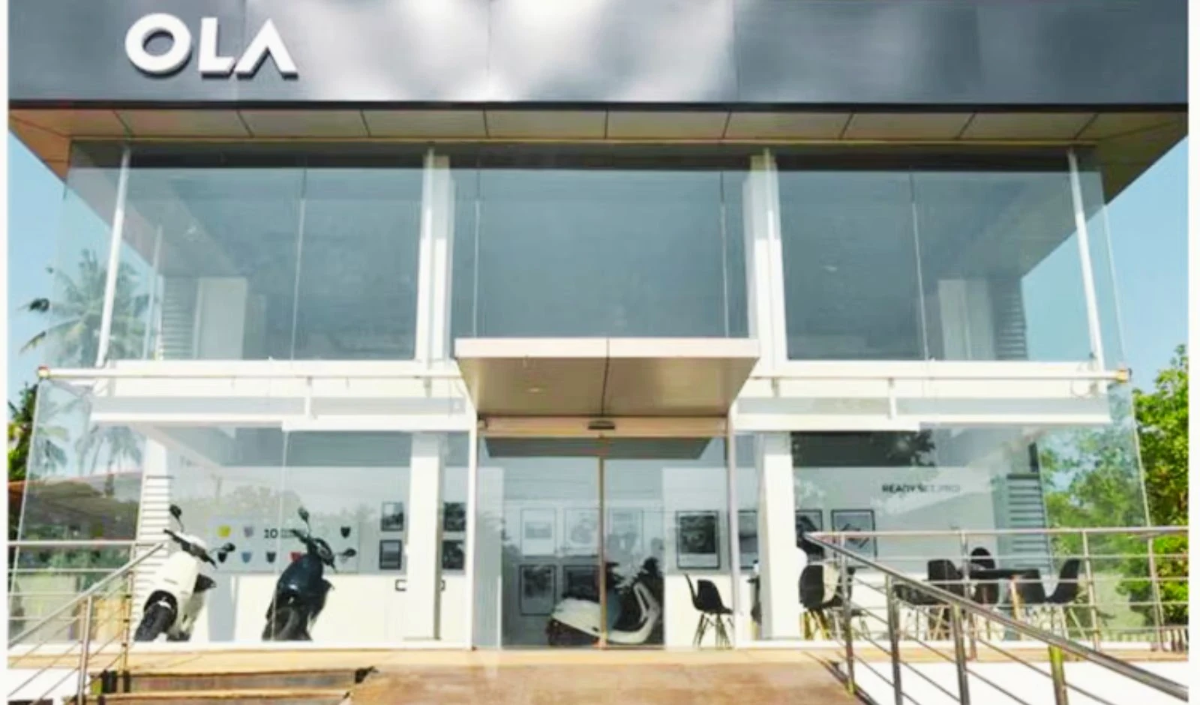
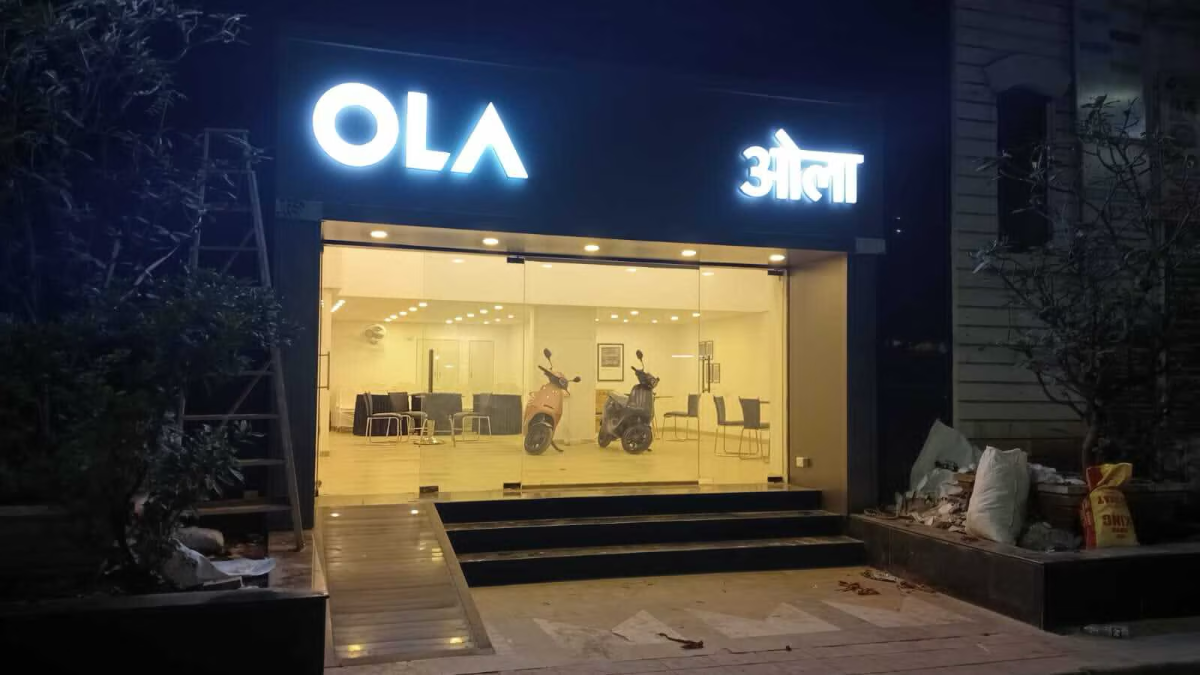
Ola ElectricFranchise Cost in India 2026
Core Investment
Due Diligence & Legal
Operations & Training
Investor Pro Tools
How Ola Electric franchisees make money
Ola Electric franchisees operate as dealership-service hub hybrids, earning primarily from vehicle sales (two-wheeler EVs) and ancillary service-center revenue. The parent company, Ola Electric, manufactures and distributes vehicles to network partners; franchisees handle retail customer acquisition, delivery coordination, and after-sales service. Service bays generate ongoing revenue through maintenance, repairs, and warranty work. The model carries 0% royalty, positioning franchisees as semi-autonomous business operators rather than commission-based agents, though exact margin structures remain unconfirmed in public sources.
Supply chain & sourcing
Ola Electric operates a manufacturer-to-franchisee allocation model typical of automotive OEMs. Franchisees do not independently source vehicles; allocation follows OEM quotas and demand planning. Vehicle pricing, warranty terms, and service-parts catalogues are parent-controlled. Franchisees absorb local marketing, facility operations, and customer-facing costs. Real margin compression occurs at the vehicle unit level (OEM allocation margins are typically thin in the EV two-wheeler category); service-center operations carry higher margin potential but depend on customer retention and local service capacity.
Demand & growth signals
Two-wheeler EV demand in India remains growth-phase volatile—dependent on subsidy cycles, fuel-price volatility, and urban mobility sentiment. Seasonal patterns (festive quarter strength, monsoon weakness) affect purchase timing. Service revenue, once the customer base matures, stabilizes faster than vehicle sales. Early-stage franchisees face demand uncertainty; established locations benefit from brand visibility but compete in an increasingly crowded EV segment. India's two-wheeler EV segment is growing faster than combustion-engine motorcycles, supported by government subsidy schemes and urban charging infrastructure rollout. However, category growth masks intense competition from Hero MotoCorp, Bajaj, TVS, and emerging Chinese entrants. Franchisee success depends on local market penetration and service-center utilization rather than category tailwinds alone.
Operating Locations
Is actually the right fit for you?
BrandFit asks 6 visual questions about your operator profile, capital, location, and risk appetite — then ranks all 234 brands by predicted success-fit for your specific situation. shows up where it actually fits, not just where it can afford.
Run BrandFit on my situation