

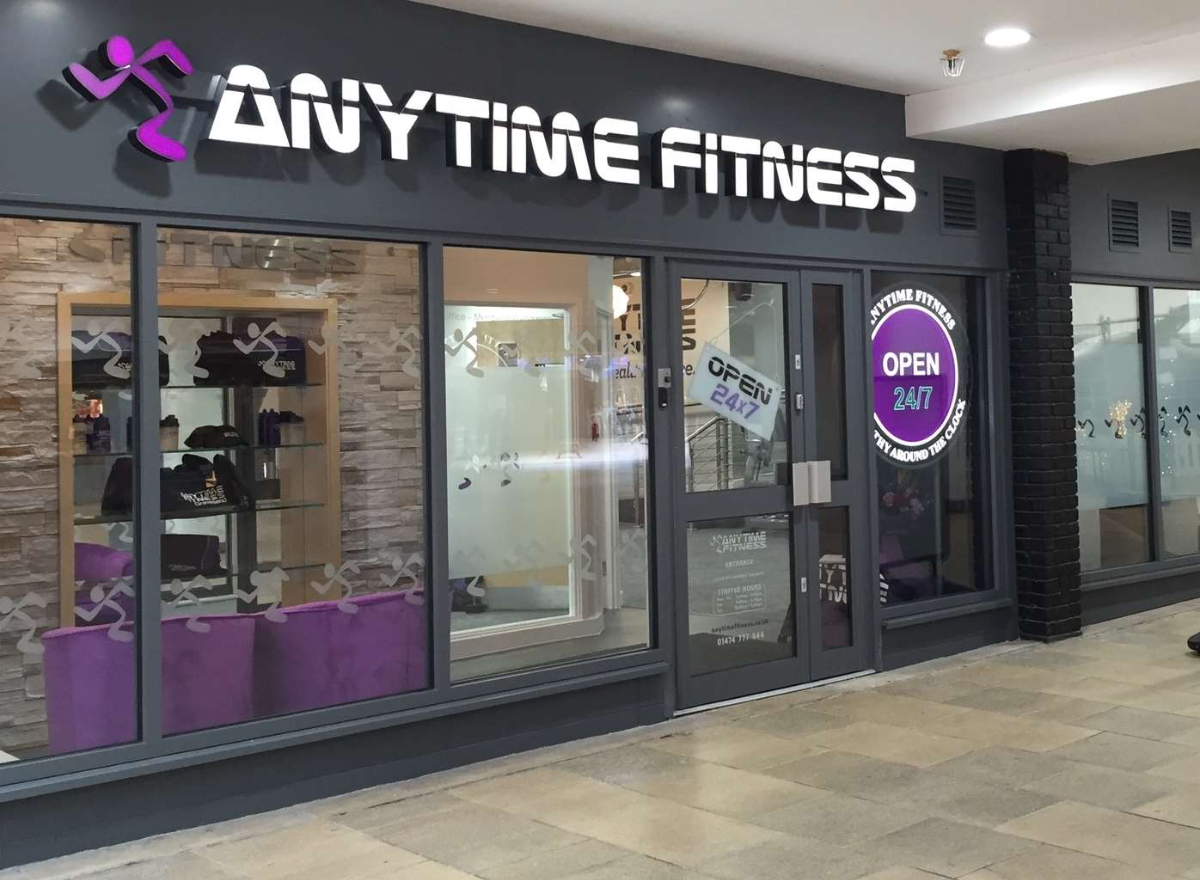
How do Anytime Fitness franchisees make money?
Franchisees earn revenue from monthly and annual membership subscriptions, personal training services, group fitness classes, and ancillary offerings such as locker rentals and merchandise sales. The model generates recurring income from member relationships owned by the franchisee. Royalties (8% of revenue) and marketing contributions flow to the parent company.
What is the Anytime Fitness franchise cost?
Initial investment ranges from βΉ2 to βΉ4 crore, with a one-time franchise fee of βΉ20β25 lakh. Total setup cost is typically βΉ2.5β3 crore for a standard 2500 sqft facility. This covers build-out, equipment, signage, and initial working capital.
What revenue streams does an Anytime Fitness franchisee have?
Primary: monthly and annual membership subscriptions. Secondary: personal training and specialized fitness coaching. Tertiary: locker rentals, branded merchandise, and facility-based services (sauna, massage where applicable). All revenue is earned directly by the franchisee; the parent company receives royalty payments and marketing fund contributions.
Is Anytime Fitness franchise revenue seasonal or steady?
Gym membership revenue in India exhibits seasonal patternsβpeaks in JanuaryβMarch (New Year resolutions) and post-monsoon periods; typically declines during summer and holiday months. Long-term steadiness depends on the franchisee's ability to build a loyal core member base, maintain facility quality, and manage member retention. Revenue is not uniform across the calendar year.
Is Anytime Fitness actively franchising in India?
Yes, Anytime Fitness is actively franchising in India with 160 operating outlets as of the latest count. The brand, founded globally in 2002, operates under a Franchise Owned, Franchise Operated (FOFO) model where franchisees own and operate individual locations while paying ongoing royalties to the parent company. India represents a key growth market for the 24-hour gym segment.
What is the total investment required to open an Anytime Fitness franchise?
The total investment for an Anytime Fitness franchise ranges from βΉ2 crore to βΉ4 crore, with the one-time franchise fee set at βΉ25 lakh. This capex covers build-out of a 2,500 sqft facility, gym equipment installation, signage, and initial working capital of βΉ40 lakh. The exact amount varies based on local real estate costs and customization of the space.
How much space does an Anytime Fitness franchise require?
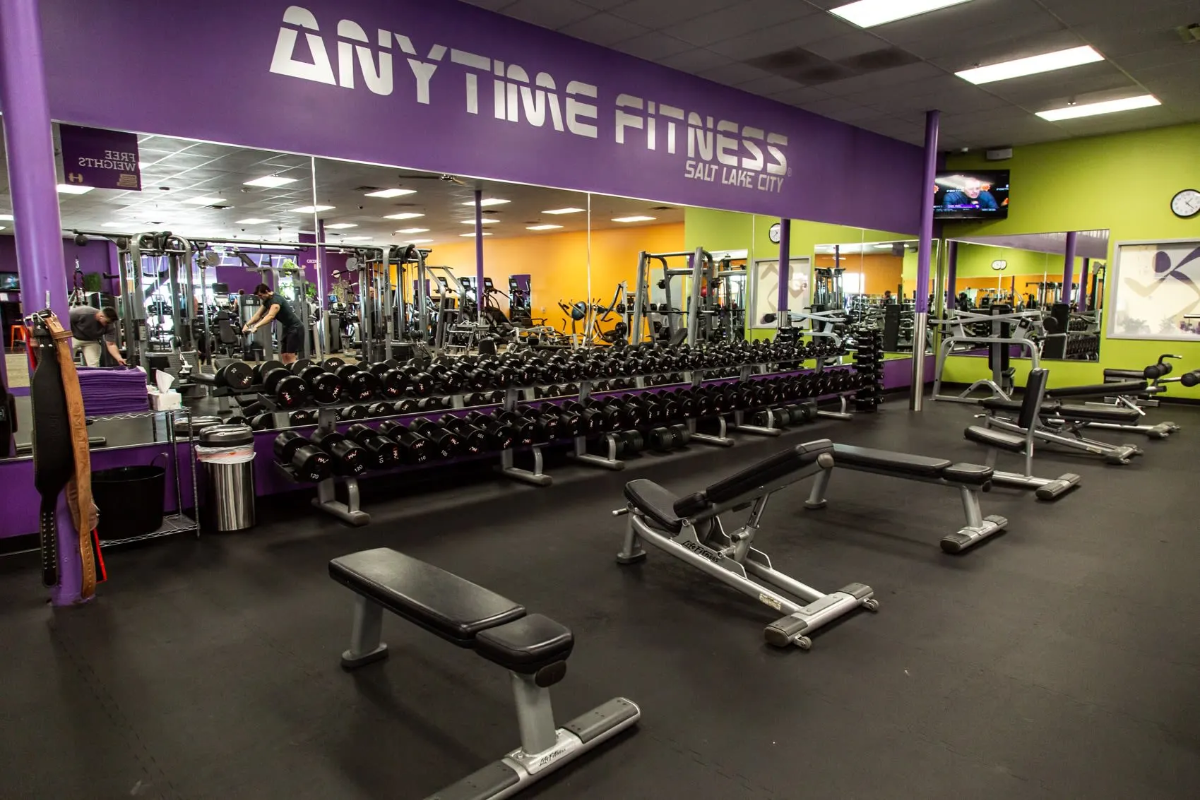
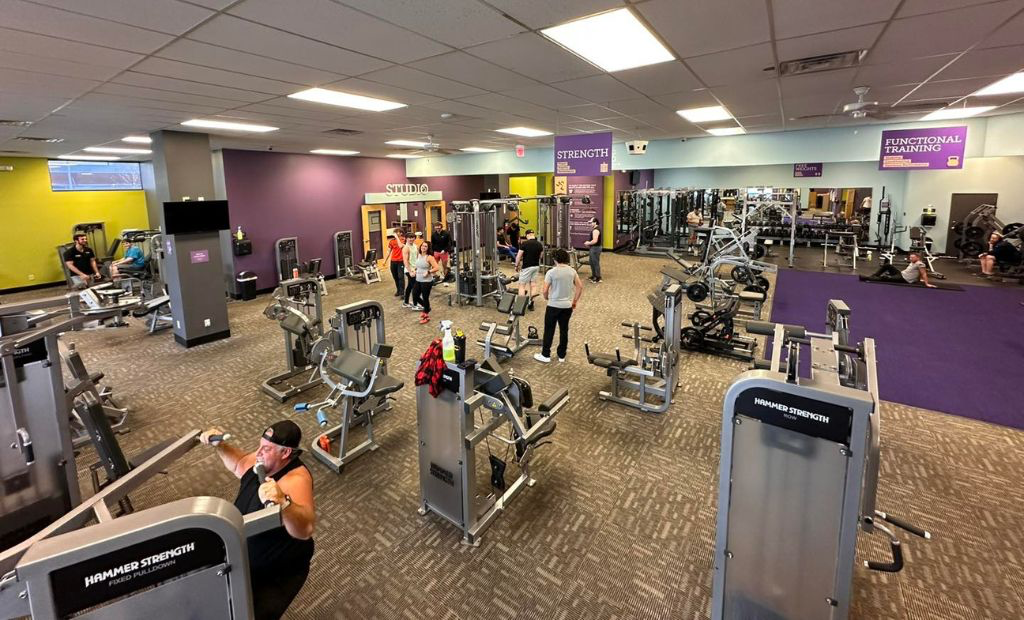
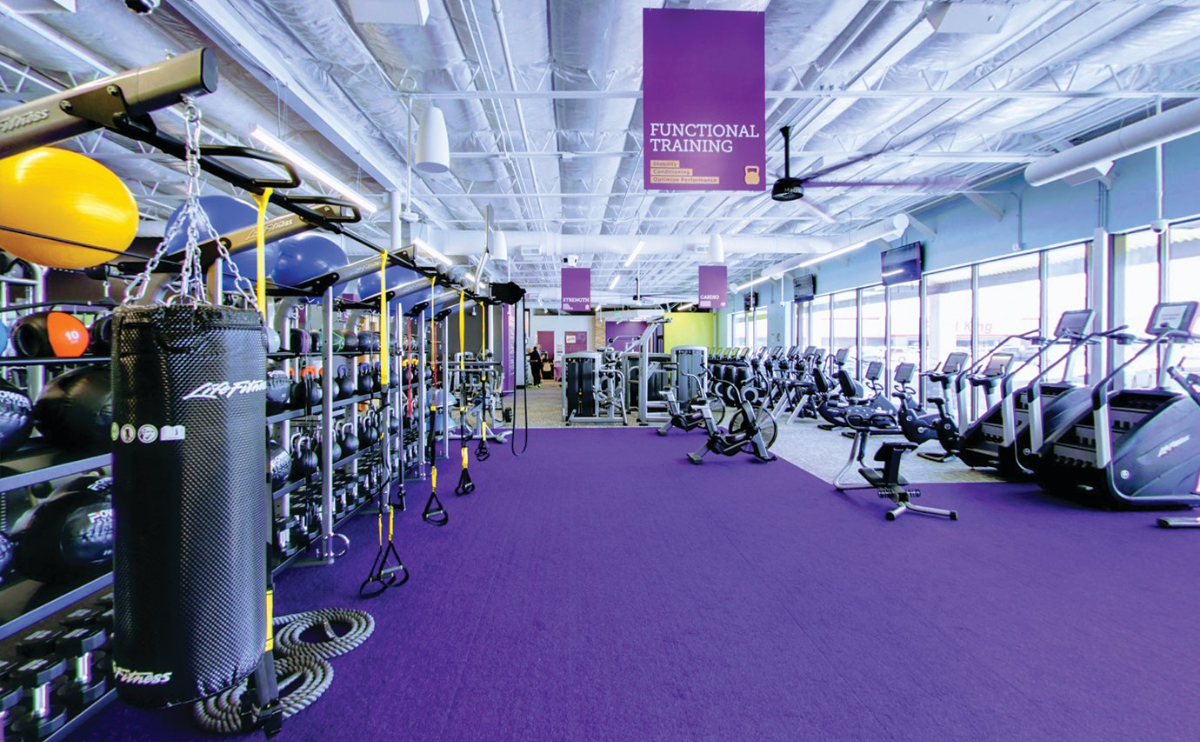
An Anytime Fitness franchise requires a minimum of 2,500 sqft of space, preferably on the ground or first floor in a location with mixed residential and commercial catchment. The brand specifies that approved locations should be 3,000β6,000 sqft to accommodate cardio, strength training, locker facilities, and member amenities while maintaining operational efficiency.
What is the royalty fee for Anytime Fitness franchisees?
Anytime Fitness charges an 8% royalty on gross revenue from all membership and service-related income. Additionally, franchisees pay a 2% marketing fund contribution. These ongoing fees fund brand support, system updates, and national marketing initiatives while the franchisee retains ownership of member relationships and local revenue generation.
What is the franchise fee for Anytime Fitness?
The one-time franchise fee for Anytime Fitness is βΉ25 lakh. This is a separate payment from the total capital investment and secures the right to operate under the Anytime Fitness brand, access to operational systems, and initial training and support services.
How long is the Anytime Fitness franchise agreement valid for?
The Anytime Fitness franchise agreement is valid for 10 years and is renewable. This provides franchisees with a stable operating window to build membership base and recover capital investment while allowing periodic review of performance and brand alignment at renewal.
What territory rights does an Anytime Fitness franchisee receive?
Anytime Fitness grants a 3β5 km exclusive radius around each location with strong territorial protection. This exclusivity prevents brand cannibalization in the same catchment and ensures that franchisees have protected access to their local member base without competing against another Anytime Fitness outlet.
How much training does Anytime Fitness provide to franchisees?
Anytime Fitness provides 21 days of comprehensive training covering facility operations, membership sales, member retention systems, equipment maintenance, staff management, and brand compliance. This training period equips franchisees and their staff with the operational knowledge required to launch and sustain the 24-hour self-service gym model.
What is the gross margin for an Anytime Fitness franchise?
Anytime Fitness franchises typically achieve gross margins between 50β65%, depending on membership density, pricing strategy, and ancillary service uptake. The 24-hour keycard access model structurally reduces staffing costs compared to traditional gyms, allowing franchisees to maintain stronger unit economics if member acquisition and retention targets are met.
What level of owner involvement is required for an Anytime Fitness franchise?
Anytime Fitness franchises require moderate (M-level) owner involvement. While the 24-hour self-service format reduces the need for constant on-site staffing, franchisees must actively manage membership sales, member retention, facility maintenance, equipment upkeep, and financial oversight. Hiring a general manager is typical for multi-shift operations.
How many Anytime Fitness outlets are there across India?
Anytime Fitness operates 160 franchised outlets across India. The brand maintains a measured expansion strategy focused on tier-1 and tier-2 cities where fitness awareness and disposable income support the premium 24-hour gym positioning and membership model.
What makes Anytime Fitness different from other fitness franchises in India?
Anytime Fitness differentiates through its 24-hour, self-service keycard access model, which converts members into self-operators and structurally lowers labor costs compared to traditional staffed gyms. Combined with a 10-year franchise agreement, 3β5 km territorial protection, and 50β65% gross margins, the model suits franchisees seeking recurring revenue with managed overhead in the premium gym segment.