


Yamaha Motor IndiaFranchise Cost in India 2026
Yamaha Motor India franchise cost in India (2026): ₹30L investment · no royalty (margin model) — verified from primary sources · data as of Oct 2026
Core Investment
Due Diligence & Legal
Got a quote? Check it
Line up the dealership quote you were given against this brand's sourced costs. Open the quote checker
Operations & Training
Investor Pro Tools
How Yamaha Motor India franchisees make money
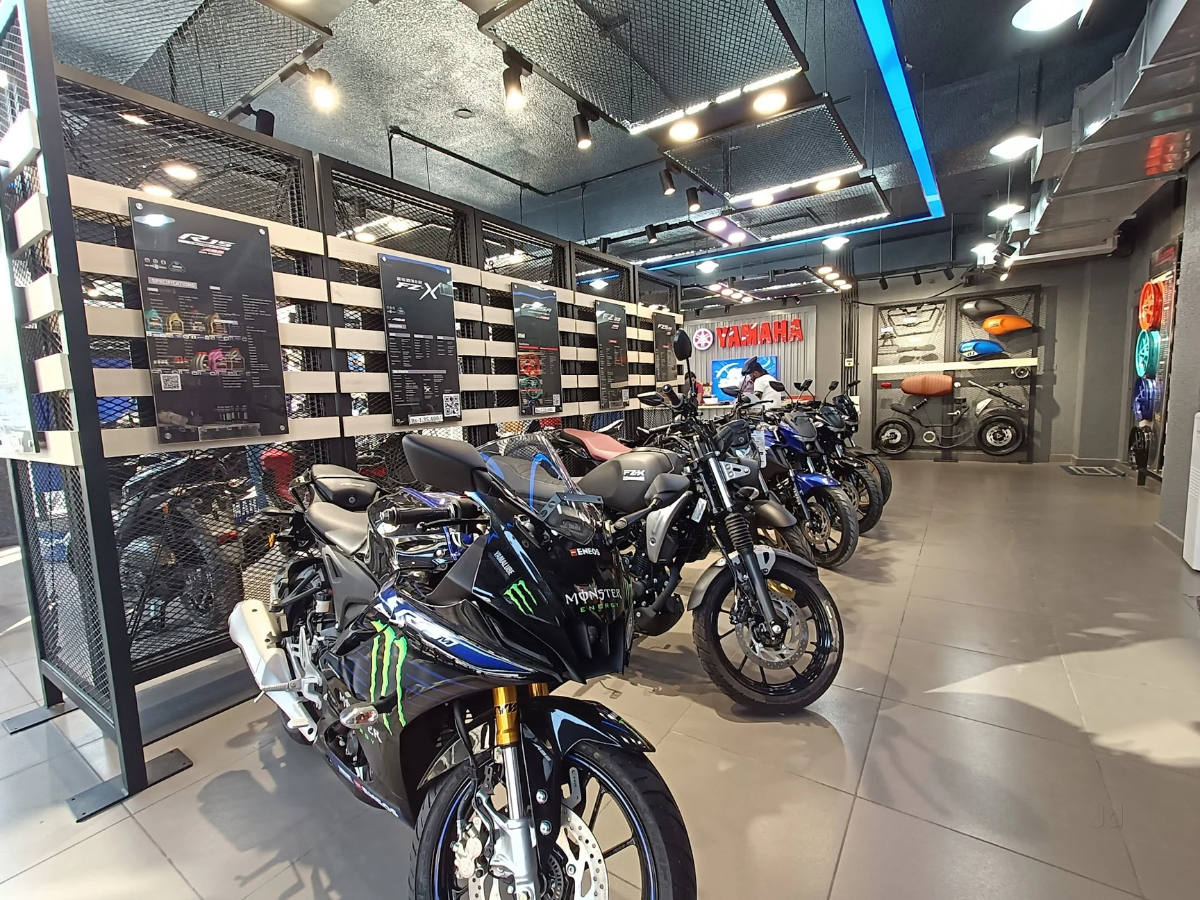
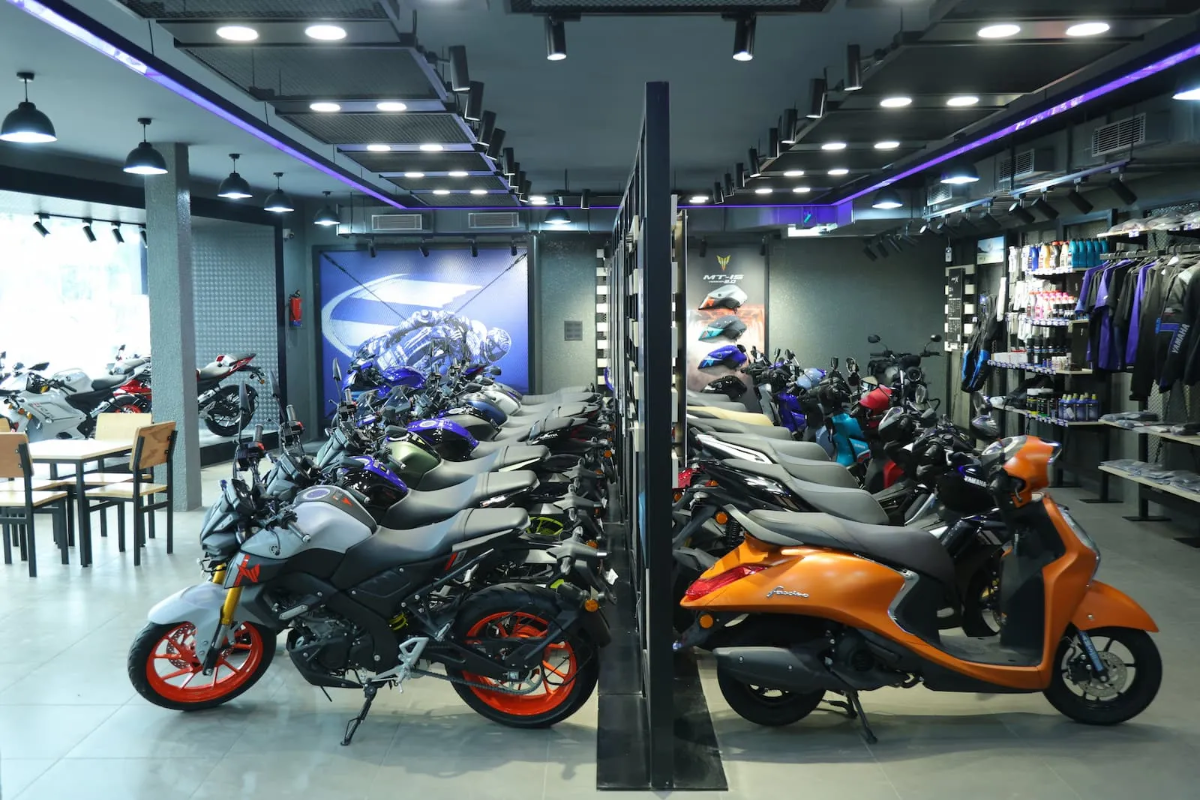
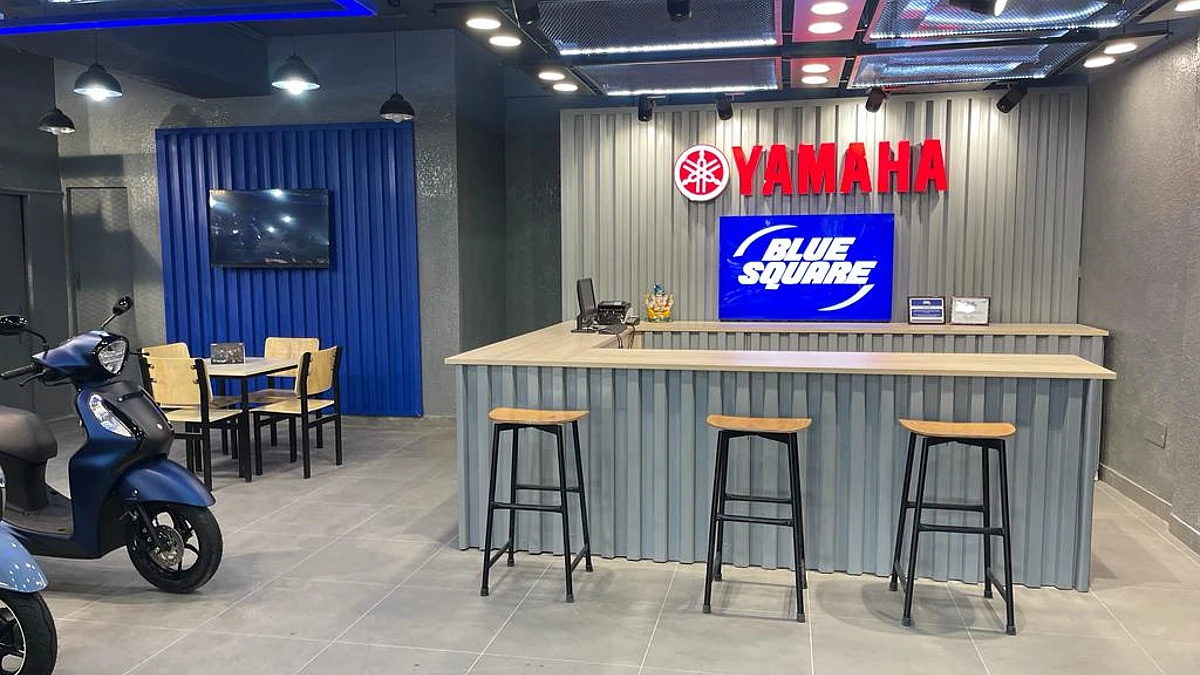
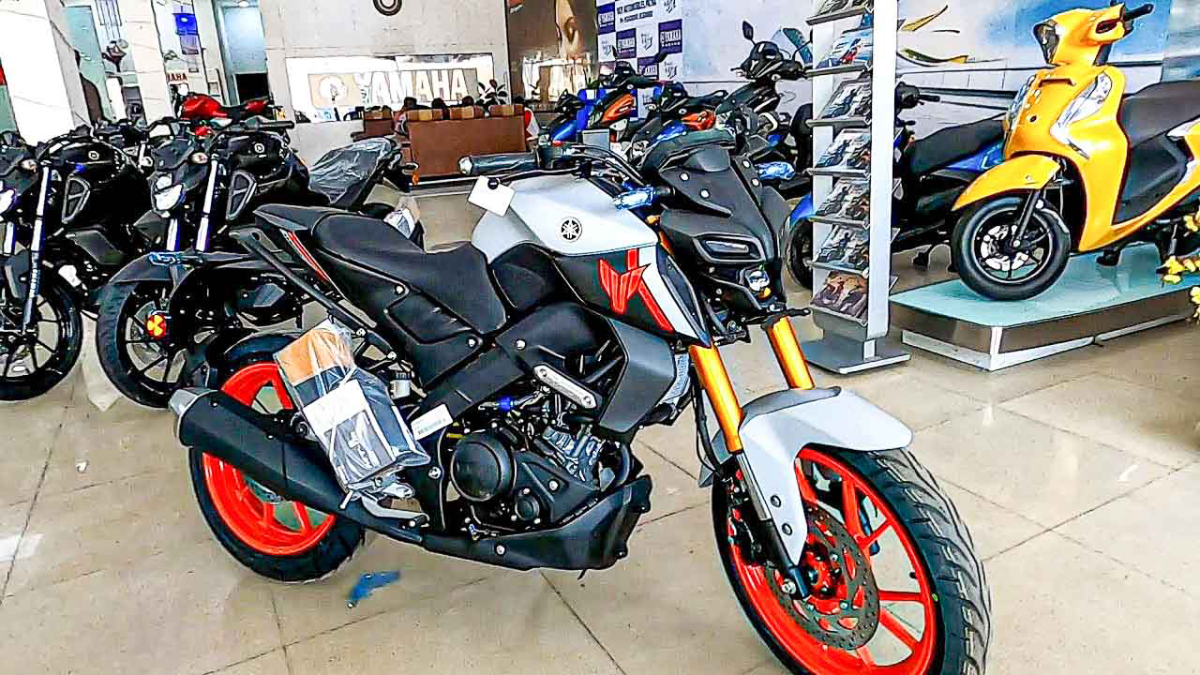
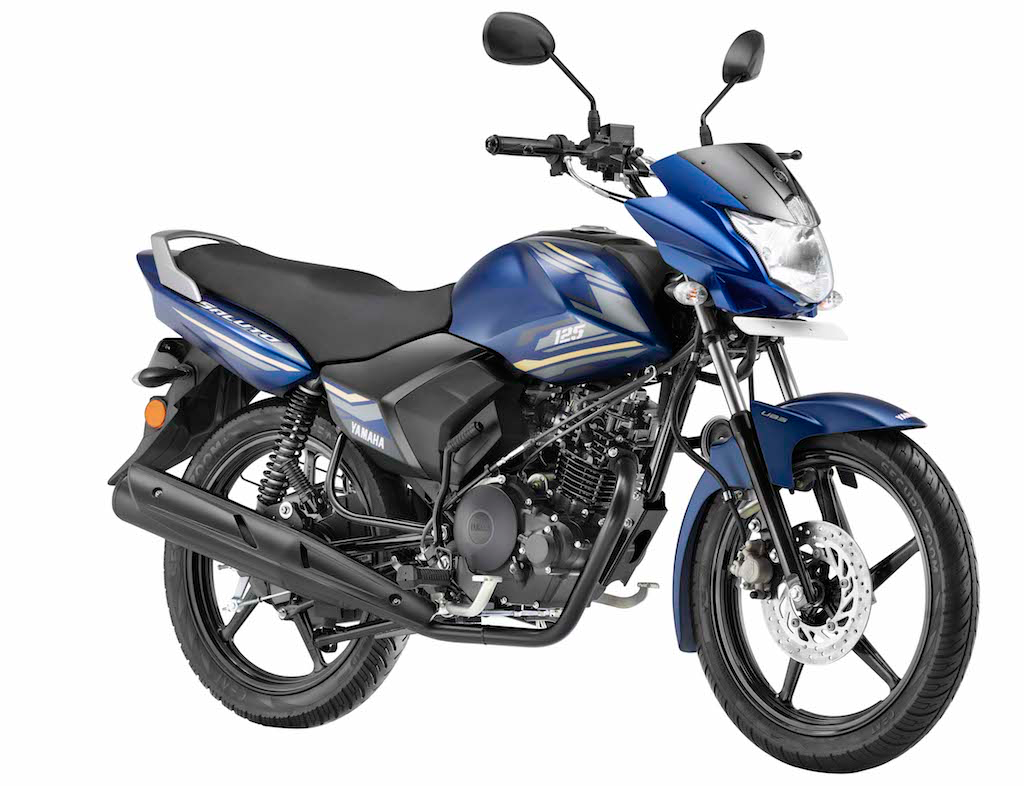
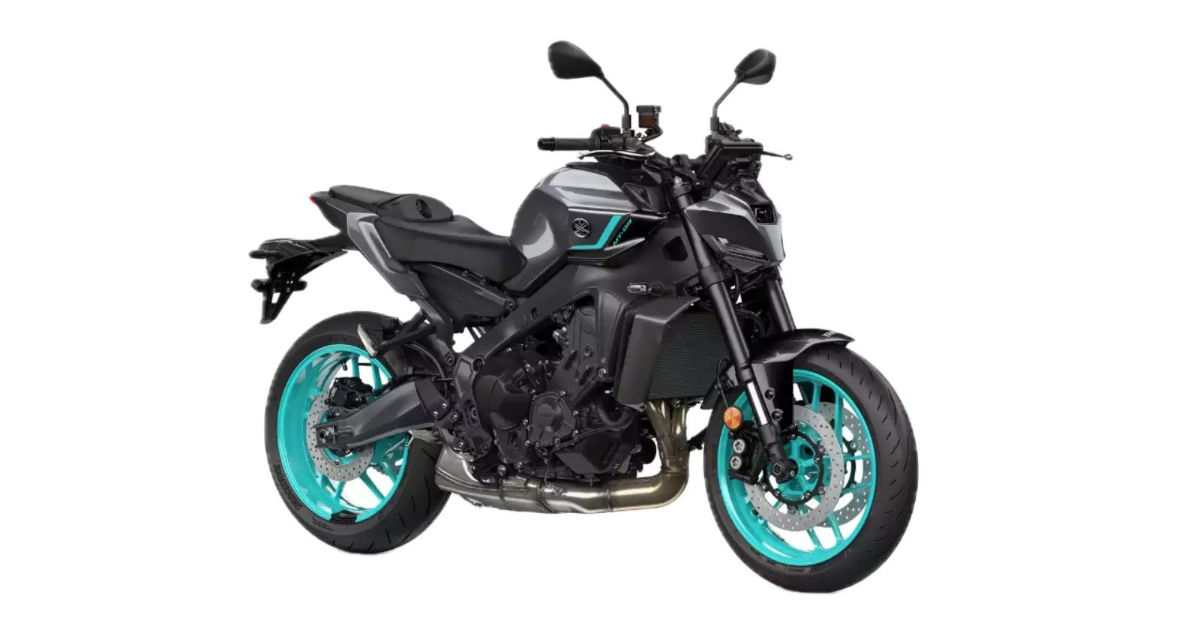
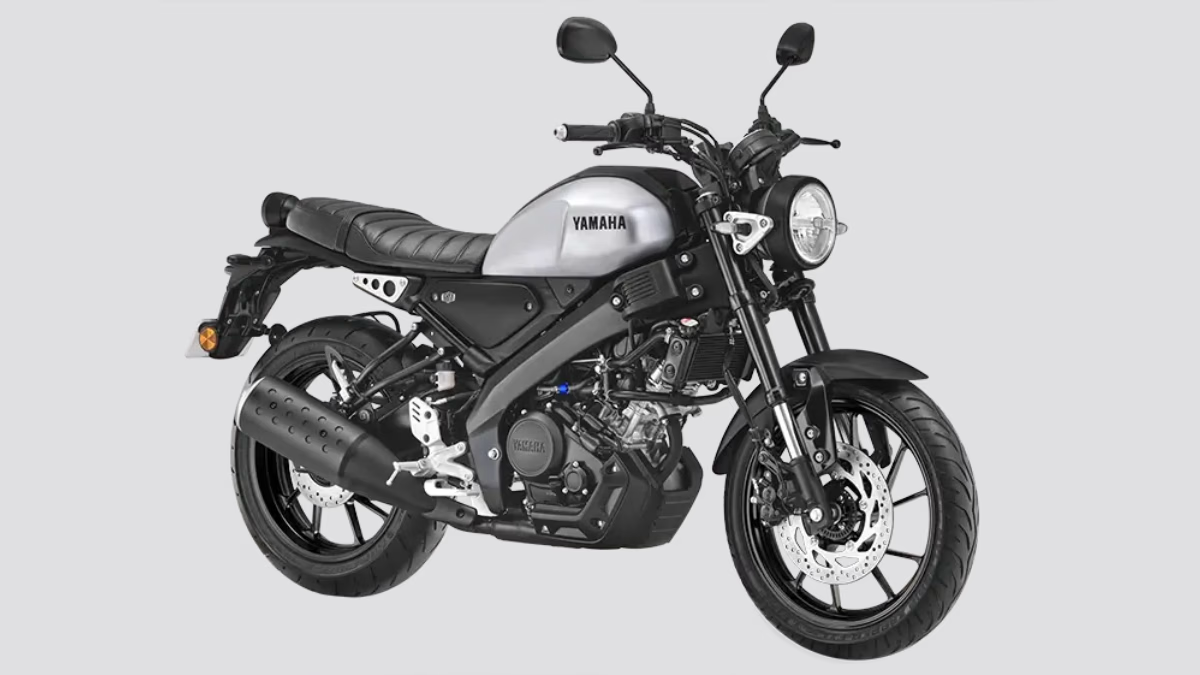
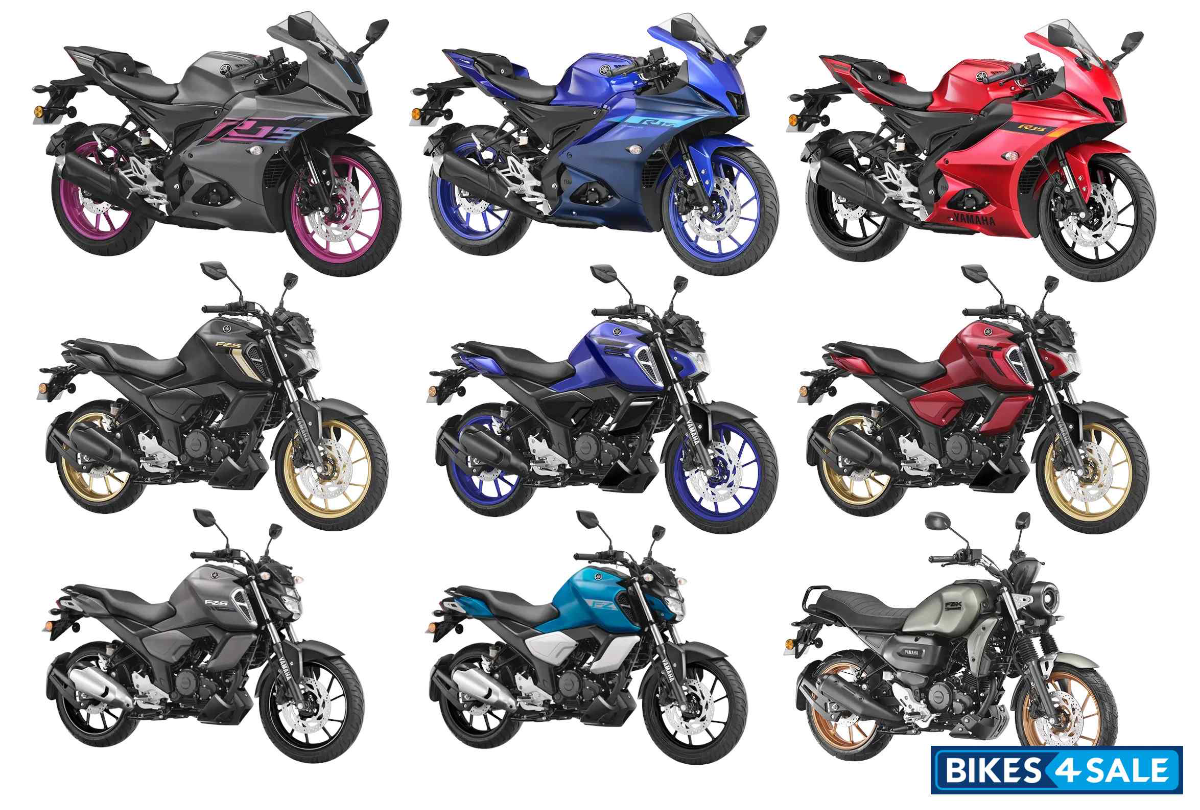
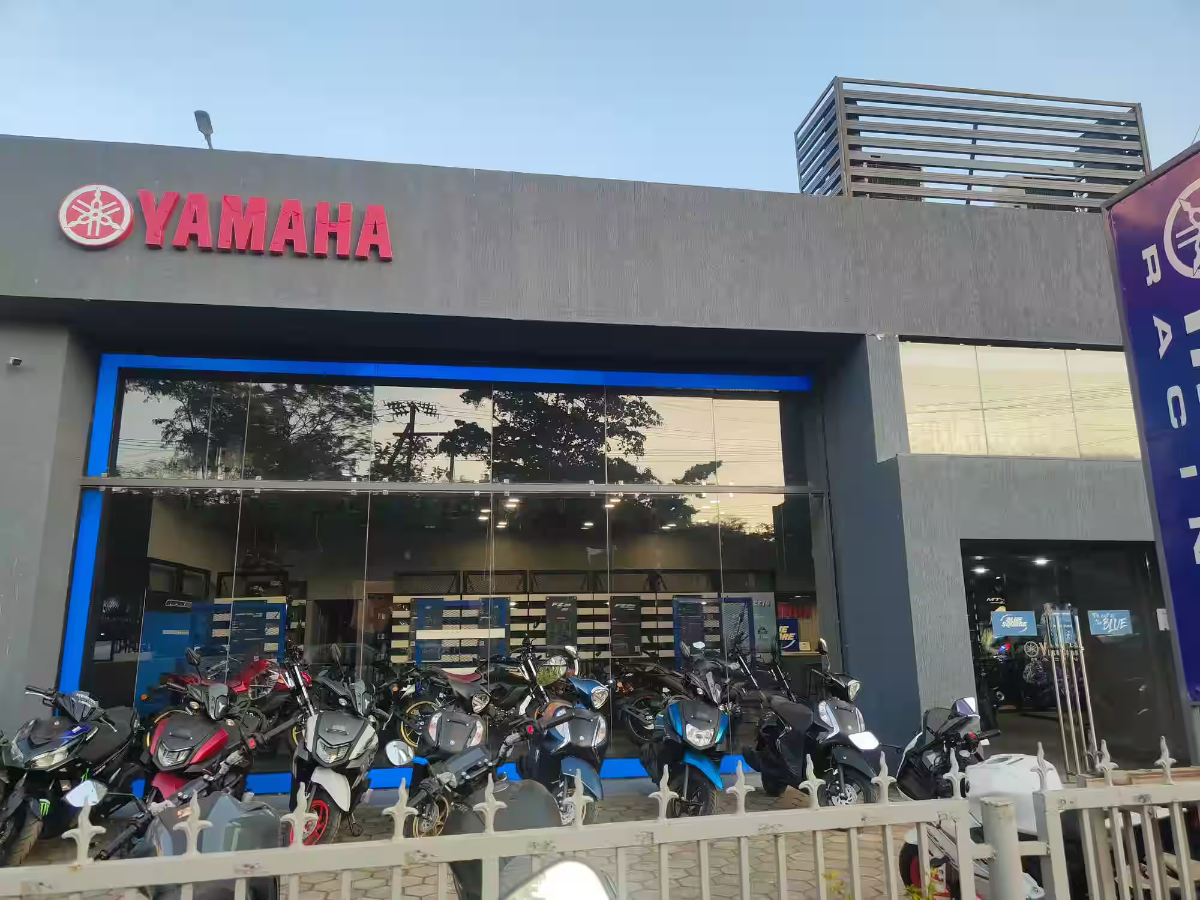
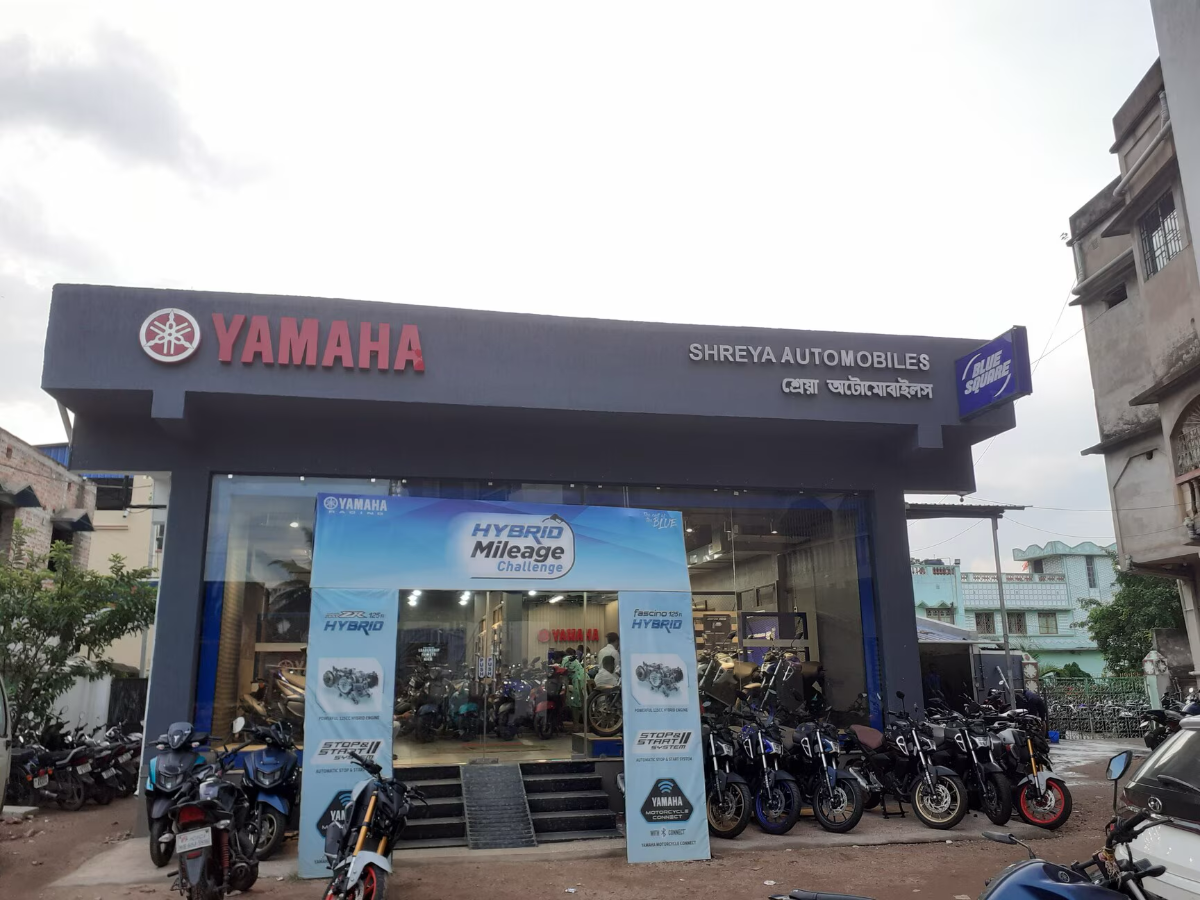
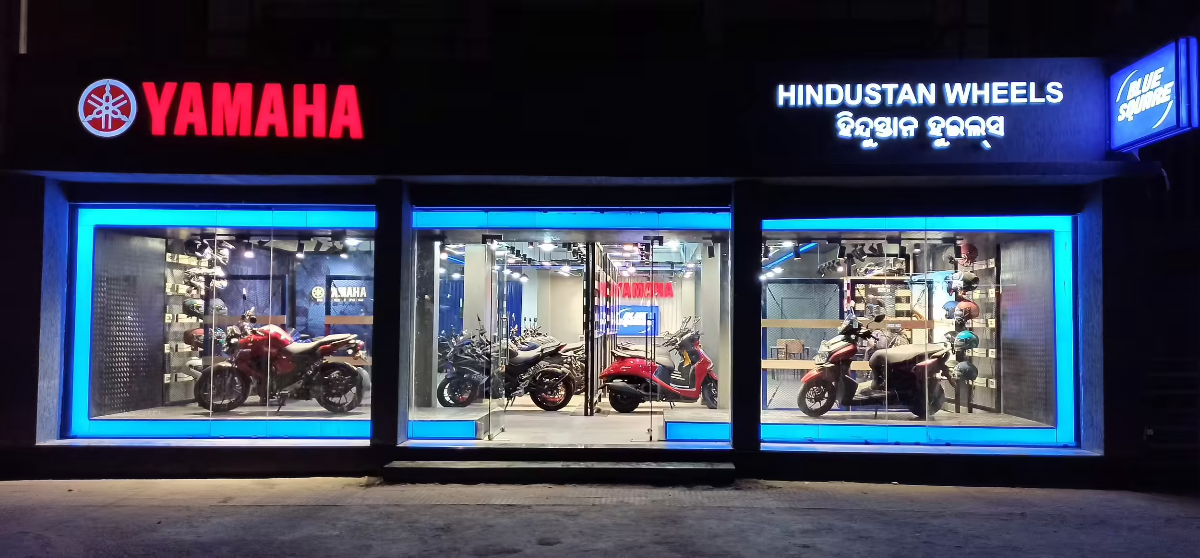
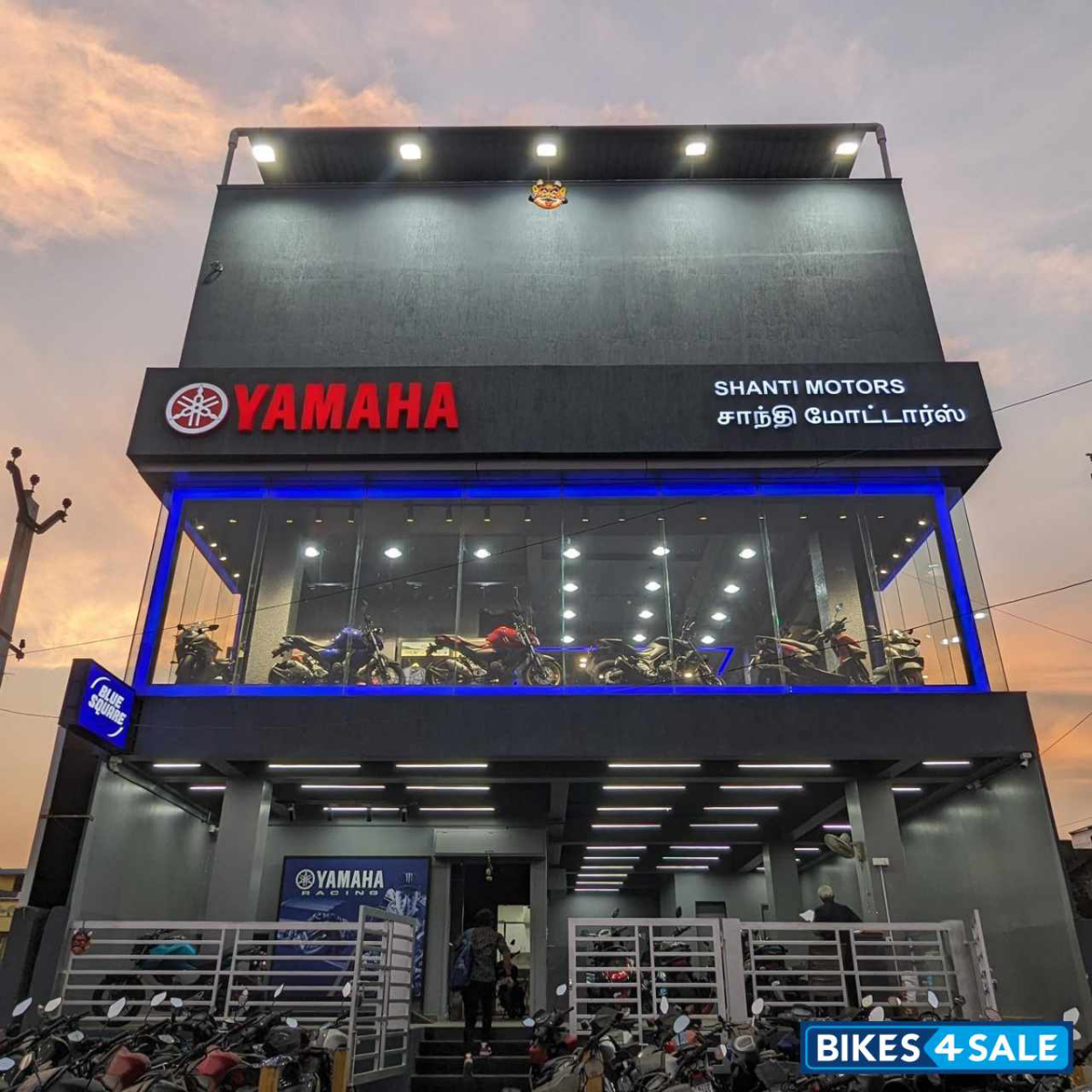
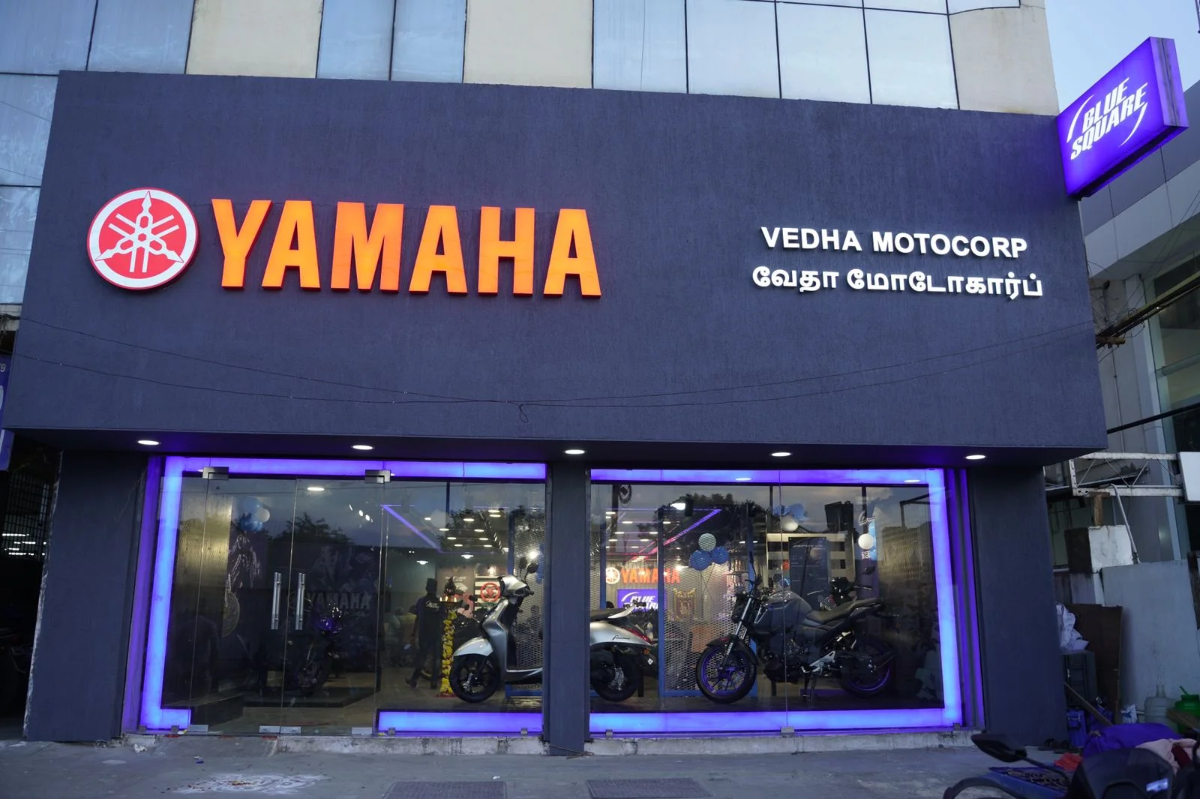
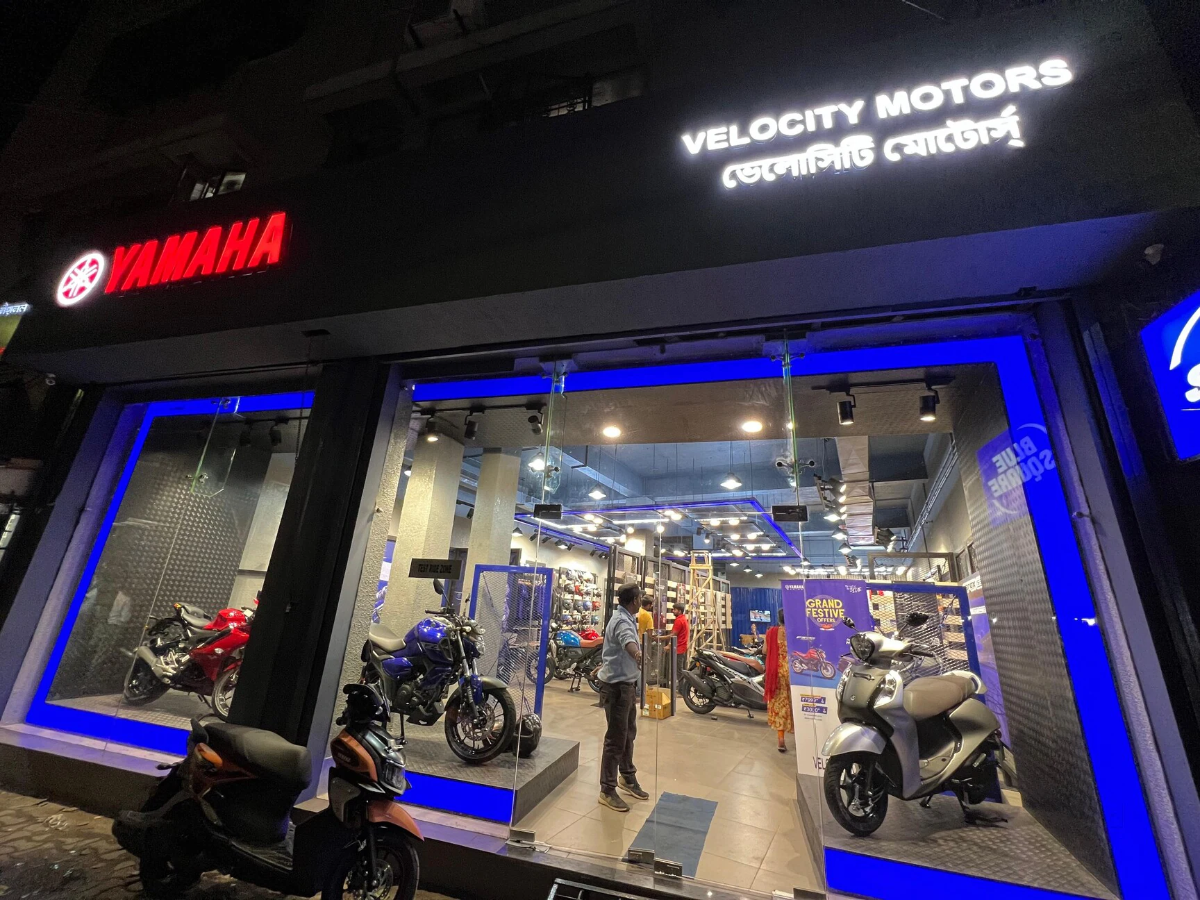
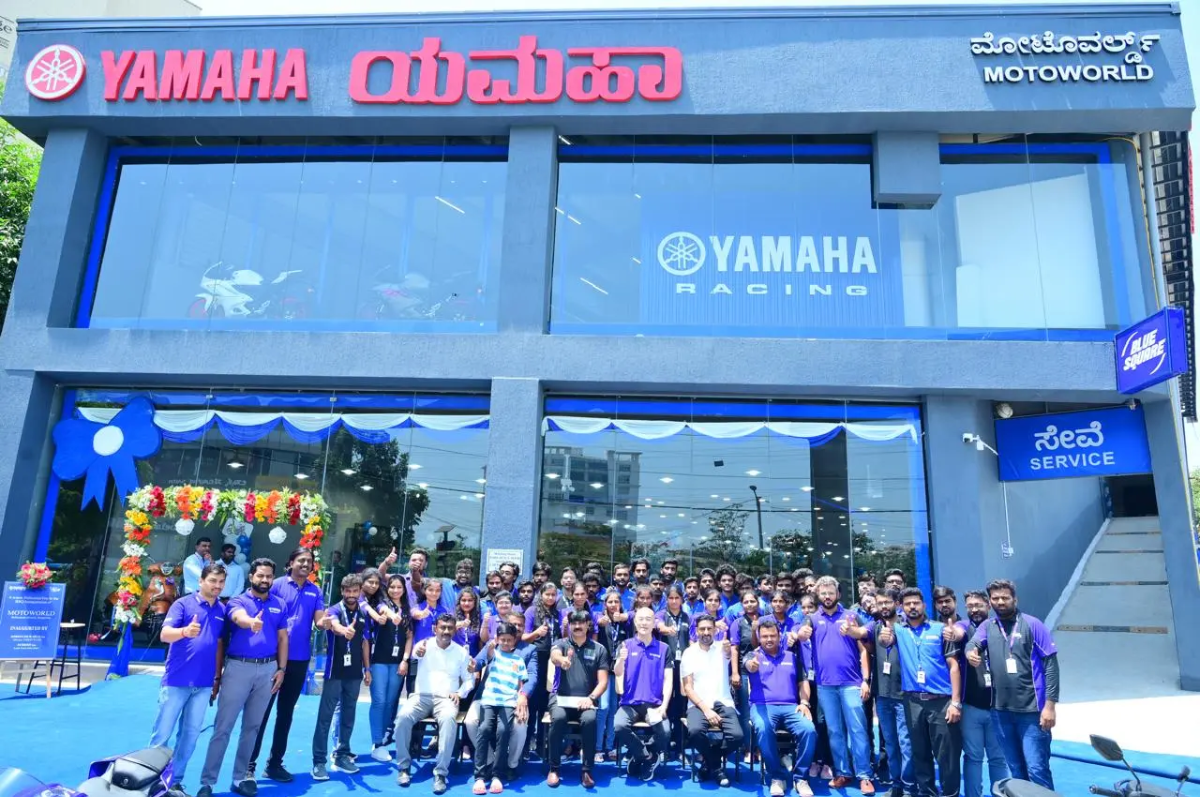
Yamaha Motor India franchisees earn primarily from the sale of two-wheeler vehicles—motorcycles and scooters across Yamaha's portfolio. Secondary revenue comes from after-sales service, maintenance, and genuine spare parts sold to existing customers. The franchise operates as a Blue Square Showroom format with a gross margin of 7–11% on vehicle sales. Royalty obligations are absent, reducing the cost burden. Revenue is tied directly to vehicle inventory allocation from the parent company and customer demand in the franchisee's territory.
Supply chain & sourcing
Yamaha Motor India, as the OEM parent, controls vehicle allocation to franchisees based on territory quotas and performance metrics—franchisees cannot source independently. Spare parts and service consumables flow through Yamaha's authorized distribution network at parent-set wholesale pricing. Franchisees absorb inventory holding costs and unsold vehicle liability within their territory. Service labor and diagnostics margins are retained by the franchisee, but parts procurement remains within Yamaha's controlled supply chain.
Demand & growth signals
Revenue for two-wheeler dealerships is moderately seasonal, peaking during festival periods (Diwali, New Year) and summer months when discretionary vehicle purchases rise. Monsoon and winter months typically see softer demand. Economic cycles, fuel prices, and financing availability also influence customer purchasing patterns. Service revenue from existing customer base provides steadier cash flow but represents a smaller portion of total revenue compared to vehicle sales. Yamaha Motor India operates 1,800 dealerships across India, reflecting sustained network expansion since its 1985 establishment. India's two-wheeler market remains one of the world's largest by volume, driven by middle-class growth and rural motorization. However, category growth has moderated in recent years due to market saturation in urban centers and competitive intensity. New technology (electric two-wheelers) is gradually reshaping the segment, though Yamaha's EV portfolio expansion remains limited compared to rivals.
Operating Locations
Market position · two-wheeler dealership cohort
Yamaha Motor India operates one of this cohort's growing breadth networks, with customer response in the middle band.
Mapped against 8 verified peers sharing its industry and store format — network breadth across, observed customer response up. Qualitative bands, relative to this cohort. Tags show how each network is run.
 Yamaha Motor Indiaexclusive dealer
 Royal Enfieldexclusive dealer
 TVS iQubeexclusive dealer
 Honda Motorcycle & Scooter Indiaexclusive dealer
 Suzuki Motorcycle Indiadealer counters
 Bajaj Chetakexclusive dealer
 Hero MotoCorpexclusive dealer
 BGaussdealer counters
 Ola Electricexclusive dealer
| Brand | Breadth | Response |
|---|---|---|
| Yamaha Motor Indiaexclusive dealer |
Growing breadth | Middle |
| Ola Electricexclusive dealer |
Broad | Softer |
| Hero MotoCorpexclusive dealer |
Broad | Middle |
| Royal Enfieldexclusive dealer |
Growing breadth | Stronger |
+ 5 more peers in the full cohort · all shown on the map above
How this is built. Positions come from source-verified records in the FRANticc dataset — India's provenance-first franchise data platform. Every figure is traceable to a named source, tiered S1 (brand-official) to S7 (estimated, labelled as such). Network positions use only store counts with a documented source; customer response is the review-count-weighted average of documented Google review samples across Indian states. Brands whose network totals conflict across sources are excluded from the map rather than plotted — FRANticc fails closed on bad data. Not an investment recommendation.
Is actually the right fit for you?
BrandFit asks 6 visual questions about your operator profile, capital, location, and risk appetite — then ranks all 234 brands by predicted success-fit for your specific situation. shows up where it actually fits, not just where it can afford.
Run BrandFit on my situation